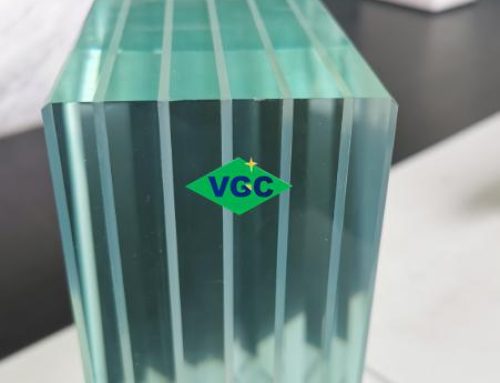
VGC is Reflective Glass Supplier, includes:On-Line Low E Reflective Glass(Single Layer and Double Layer Low-E), On Line Sun-E Reflective Glass, On Line and off-line solar control reflective glass and On-Line Solar Control Titanium Coating Glass.
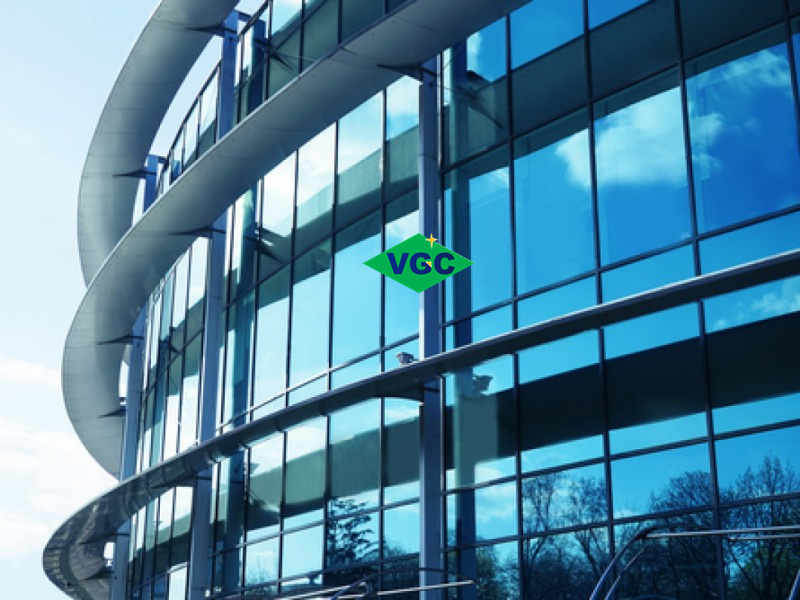
On-Line Low E Reflective Glass manufacturer China
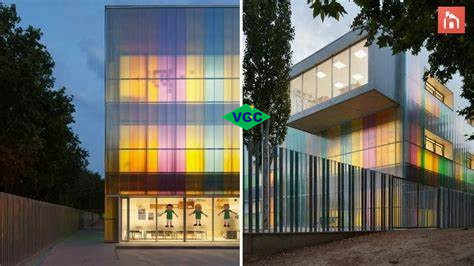
On-Line Solar Control Titanium Coating Glass china Supplier
On-Line Low E Reflective Glass VS Solar Control Reflective Glass
On-Line Low-E Reflective Glass and Solar Control Reflective Glass are both types of glass designed to control solar heat gain and improve energy efficiency in buildings. However, there are some differences between them:
1. Manufacturing Process:
On-Line Low-E Reflective Glass:
- Process:
- The low-emissivity (Low-E) coating is applied during the glass manufacturing process while the glass is still in a molten state.
- This creates a permanent bond between the coating and the glass surface.
- Durability:
- The coating is highly durable and resistant to damage, making it suitable for single-pane applications.
Solar Control Reflective Glass:
- Process:
- A thin metallic or oxide coating is deposited onto the glass surface using a vacuum deposition process (e.g., sputtering).
- This is typically done after the glass is manufactured.
- Durability:
- The coating is less durable and often requires the glass to be used in insulated or laminated units for protection.
2. Reflective Properties:
On-Line Low-E Reflective Glass:
- Primary Function:
- Focuses on improving energy efficiency by reducing heat transfer through the glass.
- Heat Control:
- Reflects and reduces heat radiation (infrared) while allowing visible light to pass through.
- Emissivity:
- Has a low emissivity coating, which minimizes heat loss in winter and heat gain in summer.
Solar Control Reflective Glass:
- Primary Function:
- Designed to reduce solar heat gain by reflecting a significant portion of sunlight.
- Heat and Glare Control:
- Effectively blocks both heat and glare, making it ideal for hot climates.
- Reflectance:
- Has a higher reflectance compared to Low-E glass, giving it a mirror-like appearance.
3. Applications:
On-Line Low-E Reflective Glass:
- Climate Suitability:
- Ideal for climates where reducing heat gain is a priority while maintaining natural light.
- Common Uses:
- Residential: Windows, doors, and skylights.
- Commercial: Office buildings, schools, and hospitals.
- Green Buildings: Used to meet energy efficiency standards.
Solar Control Reflective Glass:
- Climate Suitability:
- Best suited for regions with intense sunlight and hot climates.
- Common Uses:
- Commercial: Skyscrapers, office complexes, and retail spaces.
- Public Spaces: Airports, museums, and hotels.
- High Cooling Load Areas: Buildings with significant air conditioning needs.
4. Key Differences at a Glance:
| Feature | On-Line Low-E Reflective Glass | Solar Control Reflective Glass |
|---|---|---|
| Manufacturing Process | Coating applied during molten state | Coating applied via vacuum deposition |
| Durability | Highly durable, permanent bond | Less durable, often requires protection |
| Primary Function | Reduces heat transfer (thermal insulation) | Reduces solar heat gain and glare |
| Reflectance | Lower reflectance, transparent | Higher reflectance, mirror-like |
| Best For | All climates (hot and cold) | Hot climates, high solar exposure |
| Common Applications | Residential and commercial windows | Skyscrapers, commercial buildings |
Which One to Choose?
- Choose On-Line Low-E Reflective Glass if you need year-round energy efficiency and a clear view with minimal reflection.
- Choose Solar Control Reflective Glass if your priority is reducing solar heat gain and glare in hot, sunny climates.
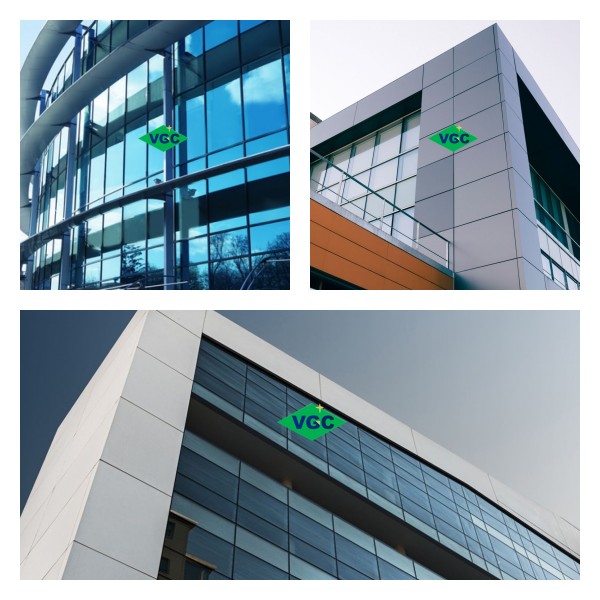
solar control reflective glass china manufacturer
#glass #tinted #building #architecture #tintedglass #floatglass #loweglass #coatingglass #reflectiveglass #lowereflectiveglass